
Current:
Nasdaq Helsinki: 4351
Variation:
Yearly -2.17% Monthly -3.66%
Expected Return:
Q1 0.90% Q4 -0.94%
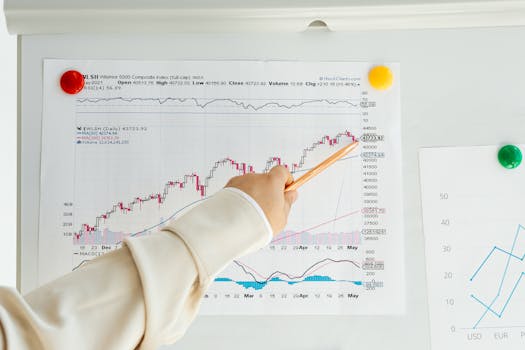
The main stock market index in Finland, Helsinki 25, has experienced a significant decline, falling 165 points or 3.66% since the start of 2024. This downturn is reflected in trading activity on a contract for difference (CFD) that tracks this key benchmark index.
Looking ahead, analysts anticipate that the Helsinki 25 will stabilize and is predicted to reach 4389.86 points by the end of this quarter. Over a longer horizon, projections suggest a further reduction to 4309.91 points within the next 12 months, highlighting the cautious outlook for investors.
Investment Strategy for Nasdaq Helsinki (Helsinki 25)
1. Short-Term Strategy (Next Quarter):
Given the expected short-term stabilization and slight increase in the index to 4389.86 points, consider taking a long position in the index or using a CFD to capitalize on the anticipated 0.90% return. A direct purchase of the index, a futures contract, or a call option on the index could be suitable instruments to benefit from this projected short-term uptrend. Ensure that any options have expirations aligned with this quarterly outlook.
2. Medium-Term Strategy (Next Year):
The expected annual decline, projected to bring the index to 4309.91 points (a reduction of around 0.94%), suggests a cautious approach. Consider transitioning to a short position once the quarterly uptrend objective is met, using either direct short selling of the index or purchasing put options. This strategy anticipates further declines and provides an opportunity to hedge against long-term market corrections.
3. Hedging Strategy:
In case of unexpected market volatility or an unanticipated upward movement beyond the anticipated levels, utilize protective put options as a hedge. These provide downside protection on long positions without needing to liquidate them, curtailing potential losses while maintaining capital allocation in the index.
4. Risk Management:
Implement stop-loss orders to automatically exit positions should the market move against the predicted outcomes. This precautionary measure can help mitigate losses and preserve capital in uncertain market conditions.
5. Monitor Economic Indicators:
Regularly review economic indicators and news from Finland and the broader Eurozone, as macroeconomic factors can influence the index performance. This close monitoring can allow timely adjustments to the investment strategy as new data becomes available.