
Current:
South Korean Government Bonds: 2.71
Variation:
Yearly -0.47% Monthly -0.34%
Expected Return:
Q1 1.05% Q4 -0.43%
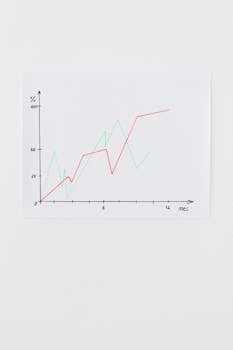
The yield on South Korea's 10-Year Government Bond stood at 2.71 percent on December 9, based on over-the-counter interbank yield quotes. This data reflects the ongoing trends in the country's bond market.
Historically, the 10-Year Government Bond Yield reached a peak of 7.91 percent in April 2001, highlighting significant fluctuations over the years.
Looking ahead, analysts project that the yield will rise to 2.74 percent by the end of this quarter, according to global macroeconomic models. Over the next twelve months, forecasts suggest it may stabilize around 2.70 percent.
Investment Strategy:
Given the current yield of South Korea's 10-Year Government Bond at 2.71% and the forecasted slight increase to 2.74% by the end of the quarter, followed by stabilization around 2.70% over the next year, the investment strategy will focus on a balanced approach considering both short-term and long-term expectations.
Short-Term Strategy:
Long-Term Strategy:
This strategy aims to leverage the expected short-term increase while remaining cautious of the long-term stabilization and slight decline forecast. Risk management through options allows for protection against unexpected market movements.