
Current:
Zagreb Stock Exchange: 3038
Variation:
Yearly 26.71% Monthly 19.90%
Expected Return:
Q1 0.03% Q4 -2.24%
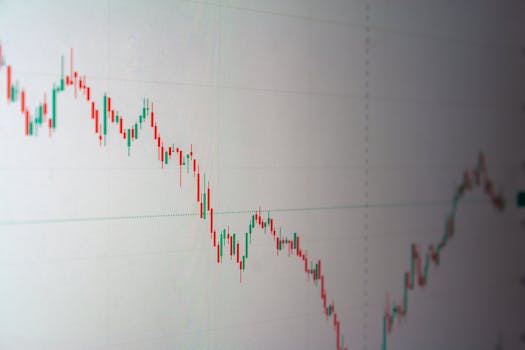
The main stock market index in Croatia, CROBEX, has experienced a remarkable increase of 504 points, rresenting a 19.90% rise since the start of 2024. This notable growth is evidenced by trading activities on a contract for difference (CFD) that benchmarks this index.
Looking ahead, the CROBEX is projected to reach 3039.32 points by the end of the current quarter, as indicated by global macro models and expert analysis. Long-term forecasts estimate the index might stabilize at around 2969.79 points in a year’s time.
Investment Strategy for Zagreb Stock Exchange (CROBEX):
Based on the provided data, the CROBEX index price is expected to decline over the next quarter and year, with anticipated returns of -3.87% and -7.37% respectively. Given this bearish outlook, here is a concise investment strategy:
1. Short Position: Consider establishing a short position on the CROBEX index using a Contract for Difference (CFD). Current price is 3026.00, and the index is expected to drop to 2908.57 by the end of the quarter and further to 2802.56 over the next 12 months. This strategy allows profit from the expected downtrend in index value.
2. Put Options: Buy put options for the CROBEX index to gain from further price declines. Focus on options with expiration dates that are within the 3 to 12-month range to align with expected downward movement. Put options provide the right to sell at the strike price, protecting against further decline.
3. Protective Strategies: If holding a long position in the CROBEX, consider hedging through strategic buy of put options or inverse CROBEX ETFs if available, to mitigate downside risk.
4. Monitor Historical Volatility: Monthly historical volatility is high at 19.42%. Consider placing stop-loss orders to manage potential upward volatility risks.
This strategy aims to take advantage of expected bearish movement while limiting potential losses through risk management tools like options and stop-loss orders.